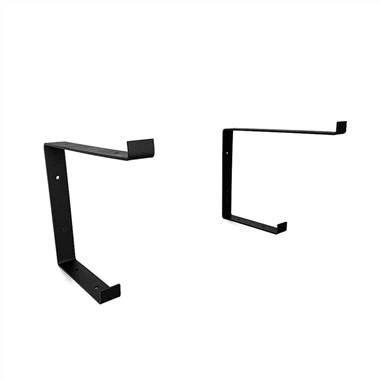
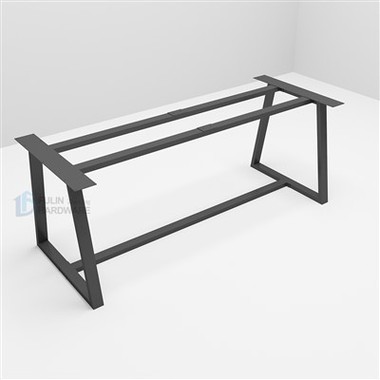
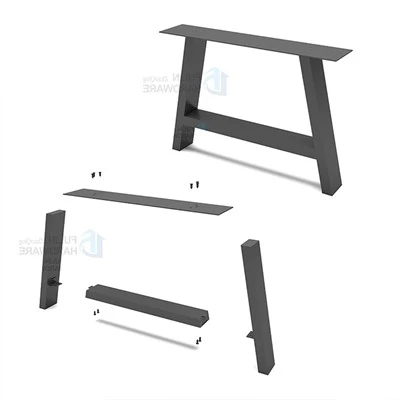
What Is The Lifespan Of Wrought Iron Pergola Support Brackets Outdoors?
Nov 09, 2026
Ask three suppliers this question and you will get three numbers, because lifespan is not a property of the bracket alone. It is the result of material, coating, climate and care. The practical answer for a coated steel bracket in a temperate garden is roughly ten to twenty years; on an exposed coast with no maintenance, closer to five to ten; and bare or thinly painted steel can fail in under five. What follows explains where those numbers come from, why the phrase "wrought iron" usually describes something else, and what actually adds years to pergola support brackets.

The Short Answer: Ten to Twenty Years Is the Realistic Window
Finish on the bracket Sheltered inland, maintained Coastal or neglected
Bare steel or thin paint 3–8 years 2–5 years
Powder-coated steel, good pretreatment 10–20 years 6–12 years
Hot-dip galvanized 25 years and up 15–25 years
Cast aluminum or 316 stainless Decades Decades
Treat these as planning ranges, not warranties: within the same street, two brackets can differ by a decade. The variables below explain why, and the difference is almost always pretreatment and detailing rather than the thickness of the steel.
"Wrought Iron" Rarely Means Wrought Iron
What the label covers today
Most products sold as wrought iron pergola brackets are welded mild-steel tube, sometimes cast iron, and increasingly cast aluminum finished to look hand-forged. Genuine wrought iron - low carbon with slag fibres rolled into the billet - is barely produced at commercial scale anymore.
Why the distinction matters
Those slag fibres are why century-old wrought iron railings survive with a coat of paint every generation: the material itself resists corrosion better than modern mild steel. A mild-steel bracket brings no such built-in protection, so its service life is essentially the life of its coating. That single fact reframes the question: you are really asking how long the finish lasts.
What Actually Sets the Clock
Coating and pretreatment
A powder-coated bracket lives or dies by what happened before the powder went on. Degreasing plus a conversion coating - zinc or iron phosphate - is what lets the film bond; powder applied over mill scale or cutting oil blisters within a season or two. Film build matters next, then coverage on the awkward places: cut edges, weld beads and the inside of the sockets. This is why two powder coated pergola brackets at the same price can be five years apart in service.

Climate and exposure
Chloride is the fastest accelerator, which is why coastal sites lose years rather than months. High humidity and frequent wet-dry cycling come next, then freeze-thaw, which works on any water that gets behind a film. UV does not eat steel, but it chalks and dulls the coating, and a chalked film is a thinner film.
Design details
Water sitting inside a socket with no way out is the quiet killer. Sharp sheared edges, welds left as welded, and stainless bolts threaded into mild steel all create small galvanic cells that start pitting long before the flat faces show anything. Good brackets drain, deburr and isolate.
The maintenance habit
Ten minutes a year is worth several years of life. Rinsing salt and pollen off, touching up a chip before it spreads, and replacing a rusted bolt before it stains the plate are the interventions that actually matter.
Warning Signs a Bracket Is Nearing the End
Rust bleeding from hole rims or along a weld, not just a scuff on the face.
Coating lifting in sheets or blistering in a line - moisture is already behind it.
White or red powder around fasteners, which points to galvanic attack.
Pitting you can feel with a fingernail, even if the joint still looks solid.
Any movement at the joint when you lean on the beam.
How to Add Five to Ten Years
Rinse with fresh water two to four times a year and skip the pressure washer on edges and welds. Touch up chips the same week with a direct-to-metal paint, not "next spring". Use stainless A2 or A4 fasteners with an isolating washer against painted steel. Keep sockets draining and never seal a joint that can hold water. Plan a recoat at the first sign of chalking rather than waiting for rust.
What to Ask Before You Buy for Longevity
Three questions separate pergola brackets that last from ones that do not: what pretreatment and film thickness is specified, how thick is the steel and how are the welds finished, and what fastener and isolation the joint assumes. A supplier who answers all three is describing a process, not a promise, which is the only reliable basis for a lifespan figure.
FAQ
Does powder coating last longer than paint?
Usually yes - a factory film is thicker and more uniform than brushed paint. The trade-off is that local repair is harder, so touch-up paint matters more.
Can I repaint a powder-coated bracket?
Yes. Abrade the surface, clean it, and use a direct-to-metal or epoxy paint; do not apply new coating over chalked or lifting film.
Are galvanized brackets worth the look?
They are the longest-lived steel option for exposed sites. If you dislike the grey, paint them - that duplex system is what many specifiers use near the coast.
Lifespan is a design decision, not a lottery. 3-way pergola brackets with proper pretreatment, deburred edges, draining sockets and stainless fasteners routinely outlast thicker steel that was never detailed.